
Key Takeaway
Sex therapy is talk therapy, conducted fully clothed in an ordinary consulting room, with no physical examination and no contact of any kind between therapist and client. Sessions look much like any other therapy: conversation about what is happening, what it means, and what might change. Most of the work addresses desire differences, pain, performance anxiety, mismatched expectations, and the communication patterns that build up around all of them — and a substantial share of it is really relationship work that happens to concern sex.Sex therapy is talk therapy. You stay dressed, you sit in a chair, and the session looks very much like any other counselling appointment — because that is exactly what it is.
That needs saying first, because the uncertainty about it stops a great many people from booking. When something is both distressing and difficult to ask about, the fear of what the appointment might involve tends to win.
What Actually Happens in a Session
The first appointment is mostly history and context. What is happening, how long it has been going on, what you have already tried, and what you would like to be different. If you are attending as a couple, both people talk.
From there it becomes recognisable therapy. You examine the pattern rather than just the symptom: what happens in the lead-up, what each person assumes the other is thinking, what the moment of avoidance actually feels like from the inside. Often there is psychoeducation, because a surprising amount of sexual distress comes from perfectly reasonable people holding inaccurate ideas about how bodies and desire actually work.

You will usually be asked to try things between sessions — conversations to have, or structured exercises to do privately, at home, in your own time. That homework is where most of the change happens, and it is always done by you, in private. Never in the room.
What Sex Therapy Never Involves
This is worth being explicit about, because the misconceptions are specific.
There is no physical examination. There is no nudity. There is no demonstration, no observation, and no contact of any kind between a therapist and a client.
This is not merely convention — it is an explicit ethical standard across the field. The American Association of Sexuality Educators, Counselors and Therapists, the main certifying body for sex therapy in North America, states in its position on touch that "the member practicing counseling or therapy shall not engage, attempt to engage or offer to engage a consumer in sexual behavior whether the consumer consents to such behavior or not," and defines sexual misconduct as including "kissing, sexual intercourse and/or the touching by either the member or the consumer of the other's breasts or genitals."
In Ontario there is a further layer. Therapists here are regulated — through the College of Registered Psychotherapists of Ontario, or the Ontario College of Social Workers and Social Service Workers — and sexual abuse of a client is among the most serious findings a regulated professional can face. The prohibition is absolute and it does not depend on consent.
If a practitioner ever suggests otherwise, that is not an unconventional approach. It is misconduct, and it is reportable to their College.
What People Actually Come In For
The presenting concerns are more ordinary than most people expect:
Desire that no longer matches. One partner wants sex more often than the other. This is easily the most common reason couples come in, and it is rarely about either person being broken. Desire differences are normal; what causes damage is the cycle of pursuit and withdrawal that builds around them.
Pain. Sex that hurts is a medical question first, and a good therapist will want you assessed by a physician alongside the therapeutic work rather than instead of it. But pain also produces anticipatory tension and avoidance, and that part responds well to therapy.
Performance anxiety. Erectile difficulty or difficulty reaching orgasm frequently becomes self-sustaining — the worry about it causes the thing being worried about. Breaking that loop is well-trodden therapeutic ground.
Mismatched expectations. Couples who have never actually discussed what they each want, and have been quietly guessing for years.
After something changed. Childbirth, menopause, illness, surgery, medication, or the slow accumulation of exhaustion. Bodies change and the old script stops fitting.
Individual concerns. Shame carried from upbringing, difficulty with intimacy after trauma, questions about identity or orientation. Plenty of people attend alone.
Why So Much of It Is Really Relationship Work
Here is the part that surprises people. A significant proportion of sex therapy barely discusses technique at all.
What comes up instead is communication — that neither partner has said clearly what they want, because both fear the answer. Or resentment that has nowhere else to surface. Or a division of household labour that leaves one person too depleted to feel anything but dutiful. Sex is often where a relationship's other unresolved business becomes visible, because it is the area with the least room to fake it.
This is why sex therapy and couples counselling overlap heavily, and why it is common for work that began in one to move into the other. If the recurring conflict in your relationship is the real driver, that pattern is worth understanding on its own terms as well.
Do You Attend Alone or Together?
Both work, and the right answer depends on the concern.
Come as a couple when the difficulty lives between you — desire differences, communication, a pattern you both recognise and neither can shift.

Come alone when the concern is primarily yours: pain, anxiety, shame from upbringing, questions about your own body or identity. People also attend alone because a partner is unwilling, and that is worth doing rather than not going at all. One person changing how they respond genuinely does move a stuck dynamic.
Some people begin individually and bring a partner in later, once they have a clearer sense of what they want to say.
Talking About It Is the Hardest Part
Most people describe the same experience: the first session was far less awkward than the weeks of dreading it.
There is a reason for that. Sexual difficulty is usually carried in complete privacy — not discussed with friends, not raised with a family doctor, often not even named directly with the partner it involves. By the time someone books, they have frequently been sitting with it alone for years.
Saying it out loud to someone whose ordinary working week involves these conversations tends to remove more weight than people anticipate. You will not shock a sex therapist, and you do not need the right vocabulary. "I don't really know how to describe this" is a perfectly good opening sentence.
Getting Started in London
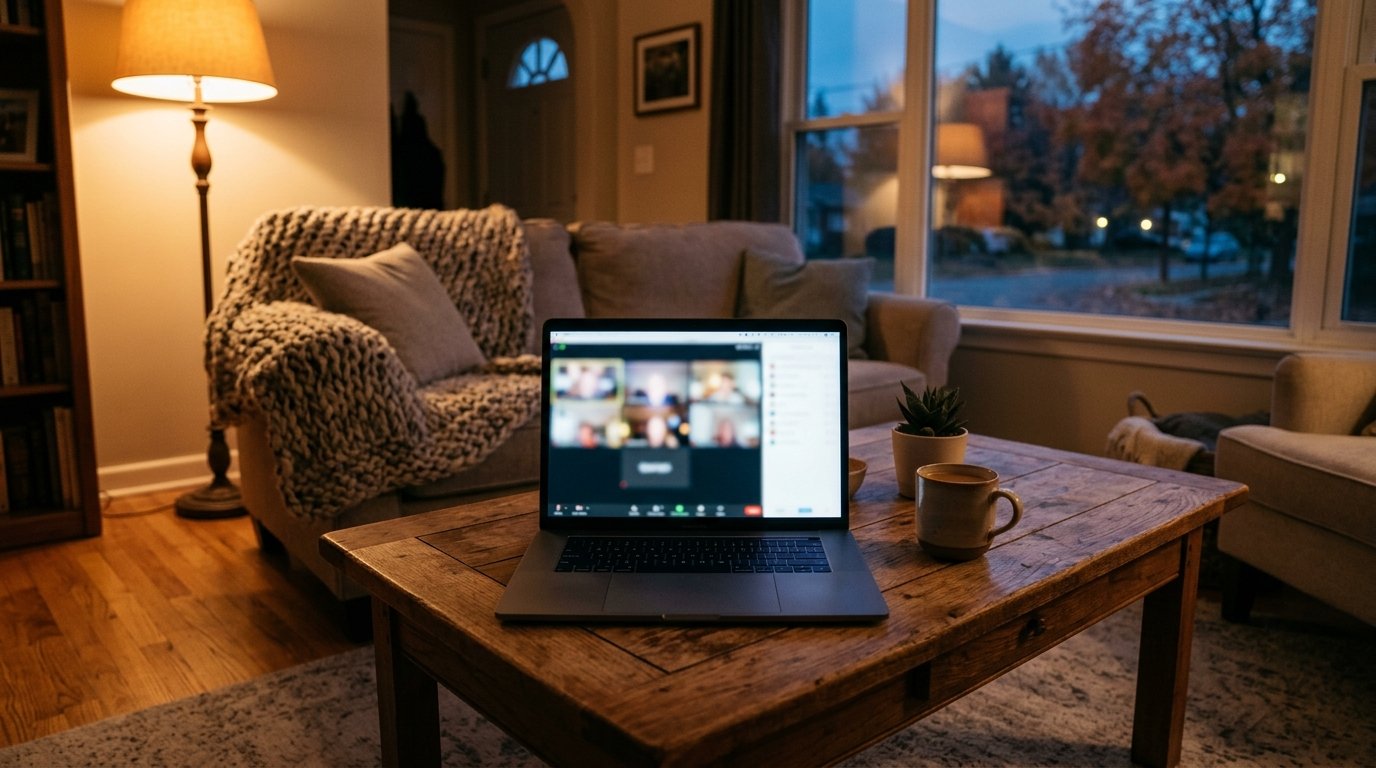
Sex therapy and intimacy counselling is available at our London office, and online across Ontario if you would rather not sit in a waiting room for this particular appointment — which is a common and entirely reasonable preference. Virtual sessions are available to anyone in the province.

If you are unsure whether to book individually or as a couple, that is itself a fine question for a first conversation. It does not need to be settled in advance.
Speak With a Clinician
An article can help you name a pattern, but a clinical conversation is where that pattern can be understood in the context of your actual life. Schedule a free 15-minute consultation to ask questions before booking a full session.