

What Trauma Can Look Like
Trauma is often recognized less through a memory than through the way the body responds when something in the present resembles an earlier threat. You may become flooded by emotion that feels too large for the situation, lose access to your words during conflict, or feel detached at precisely the moment you want to be connected.
When trauma occurred within relationships that were supposed to provide safety, its effects often appear most clearly in closeness. You might brace for abandonment, mistrust care when it is offered, or become so focused on preserving a relationship that you lose contact with your own needs.
Why Reactions Persist
Protective responses are designed to act quickly, which is why fight, flight, freeze, or appeasing behaviour can take over before the thinking mind understands what is happening. These responses are not evidence that you are irrational; they show that your nervous system learned to prioritize survival in a context where waiting for certainty was not safe.
Attachment patterns operate with the same speed. A small change in tone may register as rejection, or ordinary distance may feel like the beginning of abandonment, because the present interaction is being interpreted through an older template for connection.
How We Work
Trauma and attachment therapy begins by strengthening the ability to remain present with difficult material without becoming overwhelmed or disappearing from it. We may use somatic and parts-based approaches alongside relational work, helping you notice what happens in your body and understand the protective position each response is taking.
The goal is not to force a detailed retelling of the worst experience. It is to reduce how powerfully the past organizes your reactions in the present, while building relationships in which closeness does not require abandoning yourself.
Pace and Safety
Good trauma therapy is not measured by how quickly painful material is disclosed. In early sessions, we establish what helps you return to a manageable level of activation and identify the signs that your system is approaching its limit.
As trust and regulation develop, processing can deepen without repeating the experience of having control taken away. You remain involved in decisions about pace and focus throughout the work.
Beginning Therapy
A free consultation allows you to ask how a clinician approaches trauma and whether your current stability and support are sufficient for this kind of work. When acute safety concerns or a need for more intensive care are present, stabilization and appropriate resources take priority.
Clinical notice: This content is for informational purposes only and does not constitute professional mental health advice, diagnosis, or treatment. If you are in crisis, contact 9-8-8: Suicide Crisis Helpline at 9-8-8 immediately.
Frequently asked questions
Yes. KDW offers trauma and attachment therapy in person at our London office and virtually across Ontario.
No. We work at a pace that respects your nervous system and build safety and stability first. You stay in control of how much and how fast you go.
It focuses on how early relationships shaped your sense of safety and connection, and how those patterns play out today, so you can build steadier, more secure ways of relating.
Trauma-informed work pays close attention to the nervous system and the body, not just thoughts. It often integrates somatic and parts-based approaches alongside talking.
It varies widely depending on the type of trauma, your support, and your goals. Complex or developmental trauma usually takes longer. Your therapist reviews progress and adjusts with you.
Yes. Your privacy is protected under PHIPA, with the legal and safety exceptions your therapist explains at the outset.
That is okay. A great deal of valuable work happens in building safety, regulation, and trust before any processing. You set the pace.
Book a free 15-minute consultation through our Jane App page to ask questions and see whether the fit feels right.
Who you'd work with
Our therapy team
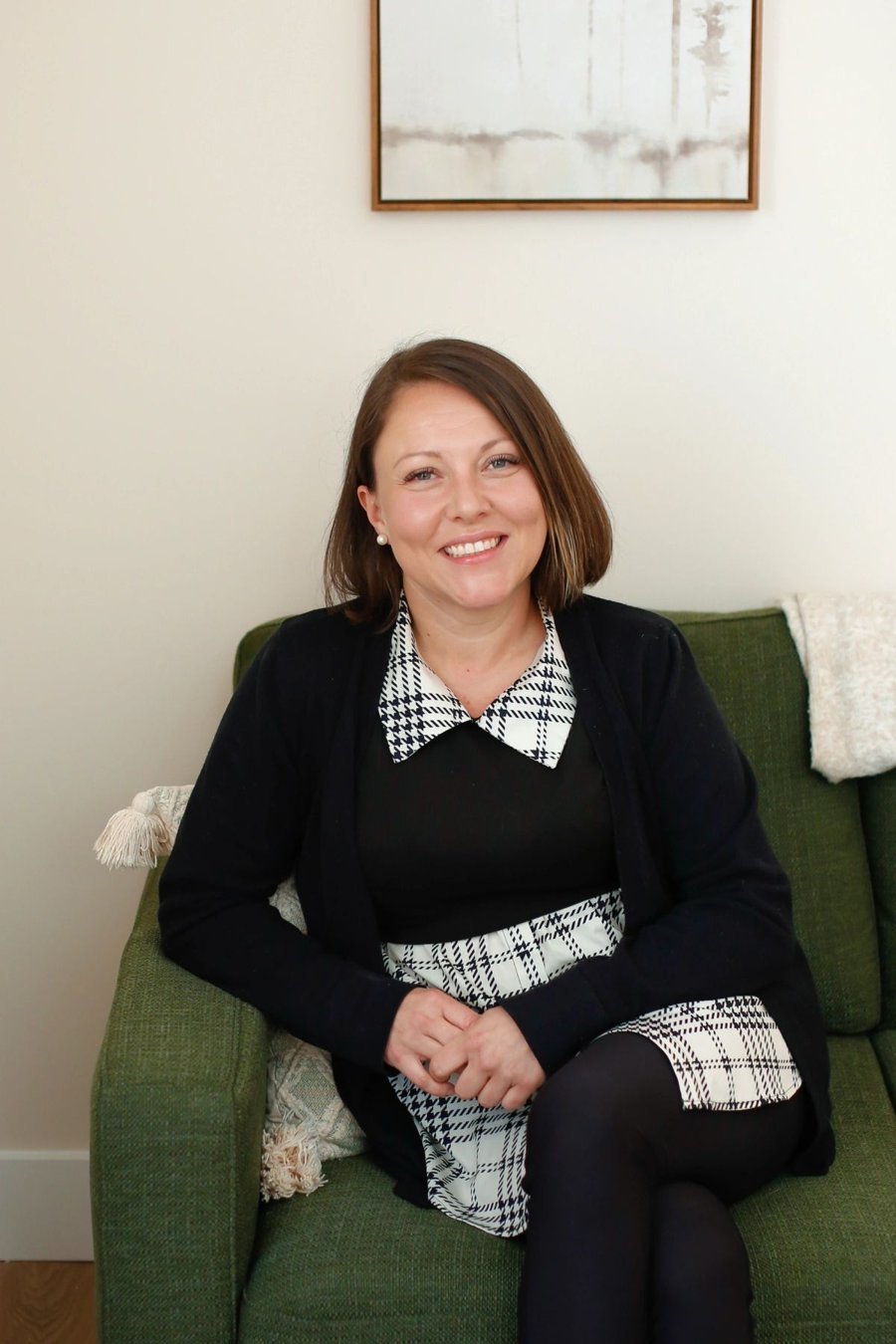
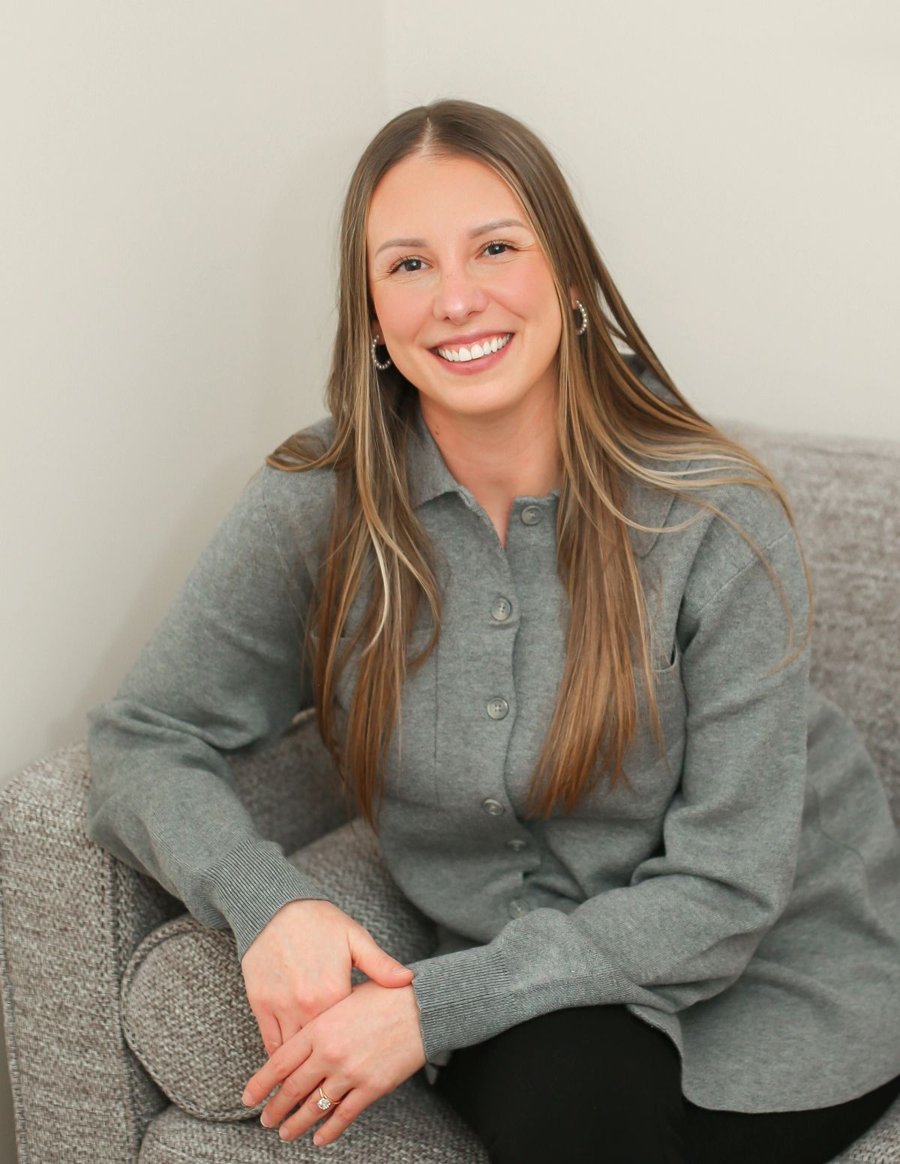
Trauma and attachment work at KDW is offered by all three clinicians, each bringing a relational and trauma-informed approach to the work. Fit and pacing are discussed during your free consultation.

How we'd work
Regulated, insurance-friendly care
Our clinicians are Registered Psychotherapists and a Registered Social Worker, regulated under The College of Registered Psychotherapists of Ontario and the Ontario College of Social Workers and Social Service Workers. Receipts are provided for extended health and insurance reimbursement, coverage varies by plan, so confirm with your provider.
Speak with a therapist
Schedule a brief consultation to discuss your goals and determine whether our approach is the appropriate fit.